
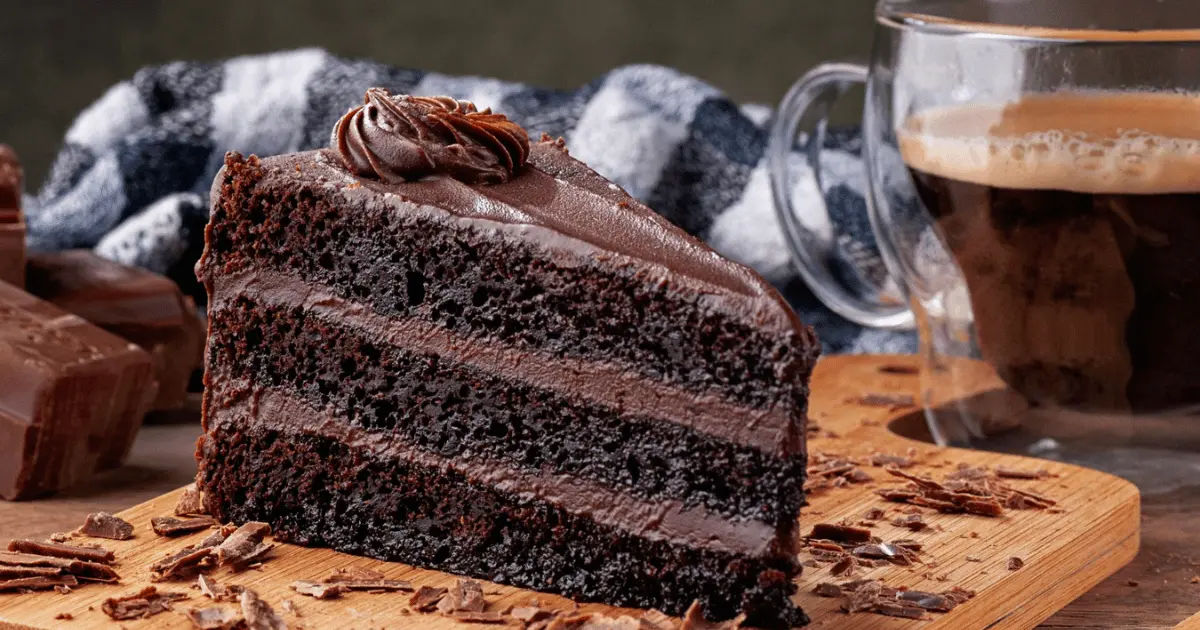
Gluten Free Chocolate Cake: The Ultimate Guide to Moist, Rich, and Foolproof Baking
Table of Contents
What Is Gluten Free Chocolate Cake?
Understanding Gluten and Why It Matters
If you’ve ever baked a traditional cake, you probably relied on flour without thinking twice. But here’s the twist: gluten—a protein found in wheat, barley, and rye—is the invisible architect behind that soft, fluffy texture. When you remove it, you’re essentially taking away the glue that holds everything together. That’s where gluten-free chocolate cake becomes both a challenge and an art form.
Gluten-free baking replaces wheat flour with alternatives like rice flour, almond flour, or starch blends. These substitutes behave differently, absorbing liquids and interacting with fats in unique ways. According to baking experts, gluten-free cakes often require hydrocolloids like xanthan gum to mimic gluten’s binding properties and improve texture . Without these adjustments, your cake could crumble faster than a cookie left in milk too long.
So, what makes gluten-free chocolate cake special? It’s not just about removing gluten—it’s about rebuilding structure, moisture, and flavor from scratch. And when done right, it can taste just as indulgent—if not better—than its traditional counterpart.
Who Needs Gluten-Free Desserts?
Gluten-free desserts aren’t just a trend—they’re a necessity for millions. People with celiac disease must avoid gluten entirely to prevent serious health issues. Even small amounts can trigger symptoms, making strict dietary control essential . Then there are those with gluten sensitivity who experience discomfort after consuming gluten, even without a formal diagnosis.
But here’s where it gets interesting: gluten-free baking has gone mainstream. Fitness enthusiasts, clean eaters, and even curious foodies are embracing gluten-free desserts for their perceived health benefits and variety. It’s no longer about restriction—it’s about exploration and creativity in the kitchen.
And chocolate cake? That’s the ultimate test. If you can master a gluten-free chocolate cake that’s moist, rich, and satisfying, you’ve basically unlocked the holy grail of baking.
Why Gluten-Free Chocolate Cake Is So Popular
Health Trends and Dietary Needs
Let’s be honest—food trends come and go. But gluten-free living has stuck around for a reason. With increasing awareness of food intolerances and digestive health, more people are actively choosing options like a Gluten Free Chocolate Cake. Regulations even define gluten-free products as containing less than 20 ppm of gluten, ensuring safety for consumers.
What’s fueling this popularity? A mix of necessity and lifestyle. People want desserts that align with their health goals without sacrificing taste. Gluten-free chocolate cake fits perfectly into that narrative—it’s indulgent yet adaptable.
Think about it: you can make it dairy-free, vegan, low-sugar, or even keto-friendly. That flexibility makes it a favorite among home bakers and professionals alike.
Taste vs Traditional Cakes
Here’s the big question: does gluten-free chocolate cake actually taste good?
Short answer—yes, when done right.
Chocolate is incredibly forgiving. Its deep, rich flavor masks subtle differences in flour taste, making it one of the easiest desserts to adapt to gluten-free baking . Add the right balance of fats and liquids, and you get a cake that’s just as moist and decadent as any traditional version.
In fact, many people can’t even tell the difference. That’s when you know you’ve nailed it.
Key Ingredients for the Perfect Gluten-Free Chocolate Cake
Best Gluten-Free Flours
Choosing the right flour is like picking the foundation of a house—it determines everything.
Gluten-free cakes often rely on blended flours rather than a single type. Common options include rice flour, potato starch, and tapioca starch, each contributing to structure and texture . These blends mimic wheat flour more effectively than any single ingredient.
Almond Flour vs Rice Flour
Let’s break it down:
| Flour Type | Texture | Best For | Key Benefit |
|---|---|---|---|
| Almond Flour | Moist, rich | Dense cakes | High fat content |
| Rice Flour | Light, neutral | Fluffy cakes | Balanced structure |
Almond flour stands out because it contains around 50% fat, naturally adding moisture and tenderness . Rice flour, on the other hand, provides a lighter crumb but needs support from other ingredients to avoid dryness.
The secret? Blend them or choose a high-quality mix.
The Role of Cocoa Powder
Cocoa powder isn’t just about flavor—it’s a structural component. It absorbs moisture and contributes to the cake’s texture. But here’s the catch: it can also make your cake dry if you don’t balance it with enough liquid.
That’s why many recipes use hot water or coffee to “bloom” the cocoa, enhancing flavor and ensuring even distribution. It’s a simple trick that makes a massive difference.
Eggs, Fats, and Liquids Explained
Eggs act as binders, fats add richness, and liquids bring everything together. It’s like a symphony—each ingredient plays a role.
Oil is often preferred over butter because it distributes moisture more evenly, resulting in a softer cake . Meanwhile, buttermilk or plant-based alternatives add acidity, which helps activate baking soda for better rise.
The takeaway? Don’t skimp on these elements—they’re your moisture insurance policy.
The Science Behind Gluten-Free Baking
Why Gluten-Free Cakes Can Turn Dry
Ever baked a gluten-free cake that felt like sand in your mouth? You’re not alone.
Without gluten, a Gluten Free Chocolate Cake can lose its ability to retain moisture. Gluten normally traps liquid and creates elasticity, giving cakes their soft, springy texture. Remove it, and you’re left relying on starches that don’t hold water as effectively.
Add cocoa powder into the mix—which absorbs even more moisture—and things get trickier. That’s why gluten-free chocolate cakes often end up dry or crumbly.
How to Achieve Moist Texture
So how do you fix it?
It all comes down to balance. You need the right combination of:
- Fats (oil, butter)
- Liquids (milk, coffee, water)
- Binders (eggs, xanthan gum)
When these elements work together, they recreate the structure that gluten would normally provide. The result? A cake that’s soft, rich, and anything but dry.
Step-by-Step Gluten-Free Chocolate Cake Recipe
Ingredients List
To create a foolproof gluten-free chocolate cake, you’ll need:
- Gluten-free flour blend
- Cocoa powder
- Sugar
- Eggs
- Milk (or dairy-free alternative)
- Oil
- Baking powder & baking soda
- Vanilla extract
- Hot water or coffee
These ingredients form the backbone of a perfectly balanced batter.
Baking Instructions
Start by preheating your oven to 180°C. Mix your dry ingredients in one bowl and wet ingredients in another. Slowly combine them, then add hot liquid to bloom the cocoa.
The batter will look thin—don’t panic. That’s exactly what you want. Pour it into a greased pan and bake for about 30–35 minutes.
Let it cool completely before slicing. This step is crucial because gluten-free cakes set as they cool, improving texture and structure.
Common Mistakes and How to Fix Them
Dry Cake Problems
Dry cake usually comes from too little liquid or too much flour. Measure carefully and don’t skip fats—they’re essential.
Dense or Gummy Texture
This often happens when there’s too much starch or not enough leavening. Always use fresh baking powder and avoid overmixing.
Expert Tips for Bakery-Level Results
Flavor Enhancement Techniques
Want your cake to taste like it came from a professional bakery?
Try adding:
- Coffee to intensify chocolate flavor
- Vanilla extract for depth
- A pinch of salt to balance sweetness
These small tweaks make a huge difference.
Storage and Shelf Life
A Gluten Free Chocolate Cake tends to dry out faster, so store it in an airtight container. For longer storage, freeze slices individually to maintain freshness and texture.
Variations You Must Try
Vegan Gluten-Free Chocolate Cake
Swap eggs for applesauce or flaxseed, and use plant-based milk. You’ll still get a rich, moist cake.
Flourless Chocolate Cake
This version skips flour entirely, relying on chocolate and eggs for structure. The result? A dense, fudgy masterpiece.
Nutritional Value and Benefits
A typical gluten-free cake provides around 408 calories per 100g, with carbohydrates, fats, and minimal protein . While it’s still a dessert, gluten-free options can be tailored to fit various dietary needs.
Conclusion
Mastering a Gluten Free Chocolate Cake is like learning a new language. At first, it feels unfamiliar and slightly frustrating. But once you understand the rules—how ingredients interact, how moisture works, and how structure is built—you gain full control.
And the reward? A cake that’s rich, moist, and completely satisfying, without a trace of gluten. Whether you’re baking for health reasons or pure curiosity, this is one recipe worth perfecting.
FAQs
1. Why is my gluten-free chocolate cake dry?
Because gluten-free flours don’t retain moisture like wheat flour. Increase liquids and fats for better results.
2. Can I use almond flour only?
Yes, but it will create a denser, richer cake. Blending flours gives a more balanced texture.
3. Is gluten-free chocolate cake healthier?
Not necessarily—it depends on ingredients. However, it’s essential for those with gluten intolerance.
4. What’s the best liquid for moist cake?
Buttermilk or coffee works best for enhancing flavor and texture.
5. Can I freeze gluten-free chocolate cake?
Absolutely. Wrap it tightly and freeze for up to 3 months.
find book The Cookie Bible Here