
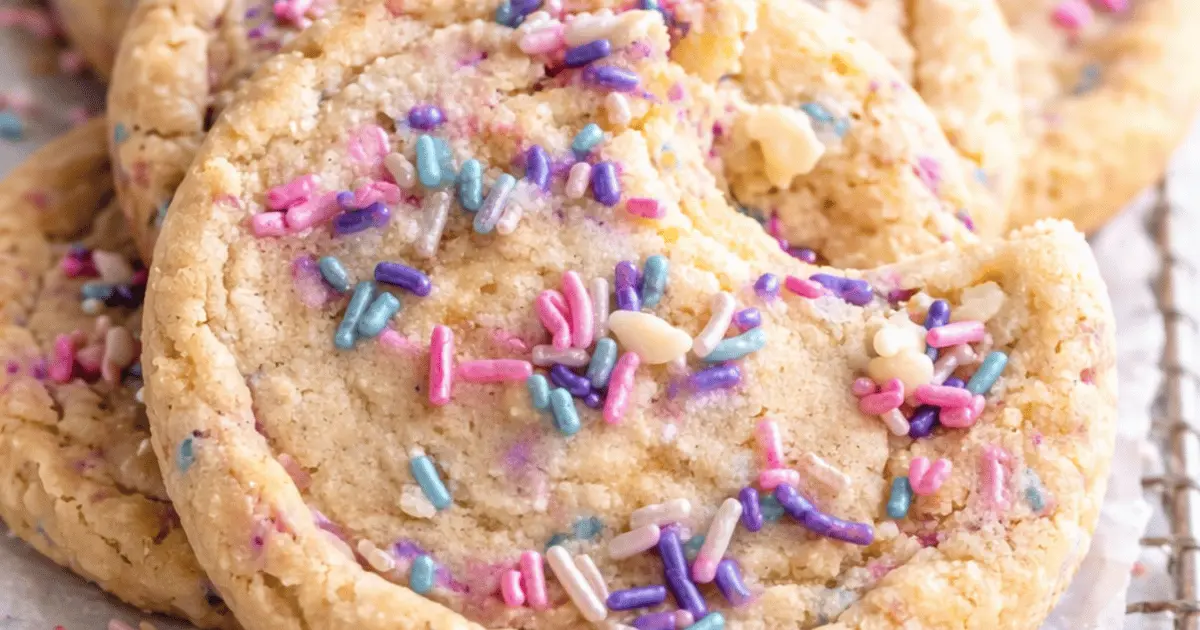
Gluten Free Funfetti Sugar Cookies: The Ultimate Step-by-Step Guide for Perfect Results
Table of Contents
What Makes Gluten Free Funfetti Cookies So Special
Understanding Gluten-Free Baking Basics
Let’s be honest—gluten-free baking can feel like trying to solve a puzzle with missing pieces, especially when making Gluten Free Funfetti Sugar Cookies. If you’ve ever baked cookies without gluten and ended up with something dry, crumbly, or oddly dense, you’re definitely not alone. Gluten plays a crucial role in traditional baking by providing elasticity and structure. Without it, your dough behaves differently, and that’s where the challenge begins. But here’s the good news: once you understand how gluten-free ingredients interact, you can actually create cookies that are just as soft, chewy, and satisfying as their classic counterparts.
Gluten-free baking relies heavily on alternative flours like rice flour, almond flour, or specially formulated blends that mimic the properties of wheat flour. These blends often include starches and binding agents like xanthan gum, which help recreate that familiar cookie texture. Think of it like building a house—you need the right mix of materials to make everything hold together. When done right, gluten-free cookies aren’t just a substitute—they’re a delicious treat in their own right. And when you add funfetti into the mix? That’s where things get exciting.
Why Funfetti Cookies Are a Crowd Favorite
There’s something undeniably joyful about funfetti cookies. Maybe it’s the colorful sprinkles that instantly remind you of birthday parties and celebrations. Or maybe it’s the soft, buttery texture combined with a subtle sweetness that feels like a warm hug in dessert form. Either way, funfetti cookies have a way of turning ordinary moments into something a little more festive.
What makes them even more appealing is their versatility. Whether you’re baking for kids, hosting a party, or just craving something cheerful, these cookies fit the bill perfectly. And when they’re gluten-free, they become inclusive—everyone can enjoy them without worrying about dietary restrictions. That’s the real magic here: a treat that’s not only delicious but also accessible to more people.
Essential Ingredients for Perfect Gluten Free Funfetti Cookies
Choosing the Right Gluten-Free Flour Blend
If there’s one thing you don’t want to compromise on, it’s your gluten-free flour blend. This is the foundation of your cookies, and the wrong choice can make or break your recipe. Not all gluten-free flours are created equal—some are too gritty, others too dense, and some lack the binding power needed for a cohesive dough.
A high-quality all-purpose gluten-free flour blend typically includes a mix of rice flour, potato starch, and tapioca flour. These components work together to create a balanced texture that’s light yet structured. Many blends also include xanthan gum, which acts like the glue that holds everything together. If your flour doesn’t include it, you’ll need to add it separately to avoid crumbly cookies.
Think of your flour blend as the backbone of your recipe. A good one will give your cookies a soft interior with slightly crisp edges—the kind of texture that makes you reach for “just one more.”
The Role of Sprinkles in Flavor and Texture
Now let’s talk about the star of the show: sprinkles. While they might seem like a purely decorative addition, they actually play a bigger role than you’d expect. Sprinkles add a subtle crunch and bursts of sweetness that elevate the overall flavor of the cookies. They also bring a visual appeal that’s hard to resist.
But here’s something many people overlook—not all sprinkles are gluten-free. Some contain additives or are processed in facilities that handle gluten. Always check the label to ensure your sprinkles are safe to use. It’s a small step, but it makes a big difference.
The best part? You can customize your sprinkles to match any theme or occasion. From rainbow colors to pastel tones or even holiday-themed mixes, the possibilities are endless. It’s like giving your cookies their own personality.
Step-by-Step Recipe for Gluten Free Funfetti Sugar Cookies
Preparing Your Ingredients
Before you even think about mixing your dough, take a moment to prepare your ingredients properly. This might sound basic, but it’s one of the most important steps in baking. Having everything measured and ready to go not only saves time but also ensures consistency in your results.
Room temperature ingredients are key here. Butter that’s too cold won’t cream properly, and eggs that are too cold can affect the texture of your dough. Let them sit out for a bit before you start. It’s a small detail, but it makes a noticeable difference in the final product.
Measuring Tips for Accuracy
When it comes to gluten-free baking, precision matters more than ever. Unlike traditional baking, where you might get away with eyeballing measurements, gluten-free recipes require accuracy. Use measuring cups and spoons properly, and if possible, weigh your ingredients using a kitchen scale.
Flour, in particular, should be measured carefully. Scoop it into your measuring cup and level it off with a knife instead of packing it down. Too much flour can lead to dry cookies, while too little can make them spread too much. It’s all about balance.
Mixing the Dough
Once your ingredients are ready, it’s time to bring everything together. Start by creaming the butter and sugar until the mixture is light and fluffy. This step incorporates air into the dough, which helps create that soft texture we all love.
Next, add your eggs and vanilla extract, mixing until fully combined. Then, gradually add your dry ingredients—flour, baking soda, and salt. Mix until just combined; overmixing can lead to tough cookies, which is the last thing you want.
Finally, fold in your sprinkles gently. You want them evenly distributed without breaking them apart or causing the colors to bleed too much into the dough.
Avoiding Common Dough Mistakes
One common mistake is overworking the dough. Gluten-free dough is more delicate, and too much mixing can affect the texture. Another issue is skipping the chilling step. Chilling the dough helps it firm up, making it easier to handle and preventing excessive spreading during baking.
Shaping and Baking
Now comes the fun part—shaping your cookies. Scoop out portions of dough and roll them into balls. Place them on a lined baking sheet, leaving enough space between each one for spreading.
Bake in a preheated oven until the edges are lightly golden. The centers might look slightly underbaked, but that’s okay—they’ll continue to set as they cool.
Achieving the Perfect Texture
The secret to perfect cookies lies in timing. Overbake them, and they’ll become dry; underbake them too much, and they’ll fall apart. Aim for that sweet spot where the edges are set, and the centers are still soft. It’s a bit of an art, but once you get the hang of it, you’ll nail it every time.
Tips to Make Your Cookies Soft, Chewy, and Delicious
Secrets to Moisture and Flavor Balance
Achieving the perfect balance of moisture and flavor in gluten-free cookies can feel like walking a tightrope, but a few simple tricks can make all the difference. One of the most effective methods is using a combination of white sugar and brown sugar. Brown sugar contains molasses, which adds moisture and gives your cookies that soft, chewy texture everyone loves.
Another tip is to slightly underbake your cookies. It might feel counterintuitive, but removing them from the oven just before they’re fully set allows them to finish cooking on the baking sheet. This keeps the centers soft and prevents them from drying out. Adding a splash of milk or a touch of yogurt to the dough can also enhance moisture without altering the flavor too much.
Common Baking Mistakes and How to Fix Them
Even experienced bakers run into issues from time to time. If your cookies are spreading too much, your dough might be too warm—try chilling it longer. If they’re too dry, you may have added too much flour or baked them for too long. And if they’re crumbly, it could be due to a lack of binding agents like xanthan gum.
The key is to treat each batch as a learning experience. Baking is part science, part art, and a little bit of experimentation goes a long way.
Variations You Can Try at Home
Vegan Gluten Free Funfetti Cookies
If you’re avoiding animal products, you can still enjoy these cookies by making a few simple substitutions. Replace butter with a plant-based alternative and use flax eggs or applesauce instead of regular eggs. The result is just as delicious, with a slightly different texture that’s still incredibly satisfying.
Low-Sugar or Keto Alternatives
For those watching their sugar intake, there are plenty of options to modify this recipe. Use sugar substitutes like erythritol or monk fruit sweetener, and opt for low-carb gluten-free flour blends. Keep in mind that these changes may affect the texture and flavor slightly, but with some tweaking, you can find a version that works for you.
Storage and Shelf Life Tips
How to Keep Cookies Fresh Longer
Freshly baked cookies are amazing, but storing them properly ensures they stay delicious for days. Keep them in an airtight container at room temperature, and consider adding a slice of bread to maintain moisture. It sounds odd, but it works—the bread helps prevent the cookies from drying out.
Freezing and Reheating Tips
If you want to make your cookies last even longer, freezing is a great option. You can freeze the dough or the baked cookies. When you’re ready to enjoy them, let them thaw at room temperature or warm them up slightly in the oven for that freshly baked feel.
Nutritional Insights and Health Considerations
Gluten-free doesn’t automatically mean healthier, but it can be a better option for those with gluten sensitivities or celiac disease. These cookies can still be high in sugar and calories, so moderation is key. That said, using high-quality ingredients and making mindful substitutions can improve their nutritional profile.
Conclusion
Gluten free funfetti sugar cookies are more than just a dessert—they’re a celebration in every bite. With the right ingredients, techniques, and a little bit of patience, you can create cookies that are soft, chewy, and bursting with color and flavor. Whether you’re baking for yourself or sharing with others, these cookies prove that gluten-free treats can be just as indulgent and enjoyable as traditional ones.
FAQs
1. Can I make these cookies without xanthan gum?
Yes, but you’ll need an alternative binding agent like guar gum or psyllium husk to maintain structure.
2. Why are my gluten-free cookies crumbly?
This usually happens lack of binding agents or incorrect flour ratios.
3. Can I use almond flour instead of a gluten-free blend?
Almond flour behaves differently, so you’ll need to adjust the recipe significantly.
4. How do I prevent my cookies from spreading too much?
Chill the dough before baking and ensure your butter isn’t too soft.
5. Are all sprinkles gluten-free?
No, always check the label to ensure they’re safe for gluten-free diets.
Find book of : Baking at République Here