
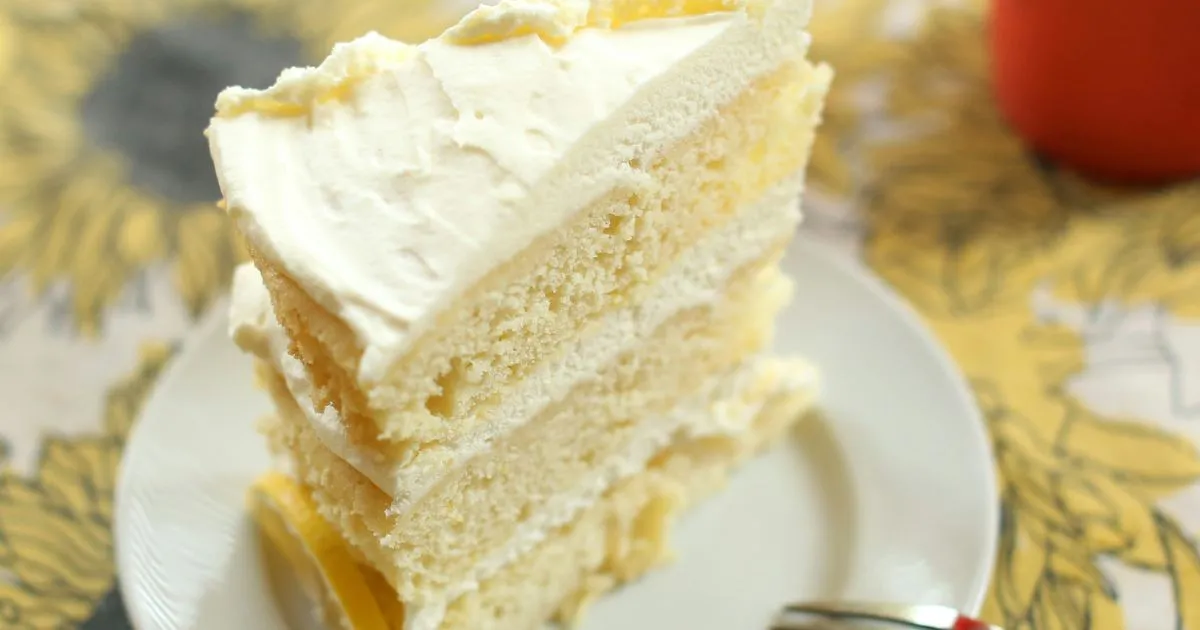
Bakery-Style Gluten Free Vanilla Cake at Home
Table of Contents
Opening: A Sweet Memory Worth Recreating
There’s something magical about baking a vanilla cake from scratch. You know that moment when the warm aroma slowly fills your kitchen and wraps around you like a soft blanket? It’s nostalgic, comforting, and deeply satisfying. But when you’re working with gluten-free baking, things don’t always go as planned. Maybe your cake came out dense like a brick or dry enough to need a gallon of tea to swallow. Sound familiar? You’re not alone.
The truth is, baking a bakery-style gluten free vanilla cake at home can feel like chasing perfection. But here’s the good news: it’s absolutely possible—and once you get it right, you’ll never look back. With the right ingredients, techniques, and a few insider secrets, you can create a cake that’s soft, airy, and bursting with rich vanilla flavor.
And there’s a reason more people are searching for this. The gluten-free baking industry is booming, with the market expected to grow significantly due to rising health awareness and dietary needs. In fact, the global gluten-free bakery market is projected to exceed $6.5 billion by 2035, showing just how much demand there is for better gluten-free recipes.
So, if you’ve ever wanted to bake a cake that tastes like it came straight from a professional bakery—without gluten—this guide is exactly what you need.
What Makes a Bakery-Style Gluten Free Vanilla Cake Special?
The Difference Between Homemade and Bakery-Style Cakes
Let’s be honest—there’s a noticeable gap between a homemade cake and one from a professional bakery. Bakery cakes are soft, uniform, and almost melt in your mouth. Homemade ones? Well, they can be unpredictable.
The difference comes down to technique, precision, and ingredient balance. Professional bakers understand how to manipulate structure, moisture, and air to create that signature texture. When gluten is removed, that challenge becomes even bigger.
Gluten acts like the “glue” that holds everything together in traditional baking. Without it, your cake can collapse, crumble, or feel dense. That’s why gluten-free baking requires smarter ingredient combinations and more attention to detail.
Texture, Flavor, and Appearance
A true bakery-style gluten free vanilla cake nails three things perfectly:
- Texture: Light, fluffy, and moist—not crumbly or heavy
- Flavor: A deep, rich vanilla taste without being overly sweet
- Appearance: Even rise, soft crumb, and a beautiful golden color
Modern gluten-free baking has improved dramatically in recent years. Experts note that advances in flour blends and baking techniques have significantly enhanced texture and taste, making gluten-free cakes closer than ever to traditional ones.
So yes, that dreamy bakery-quality cake? It’s no longer out of reach.
Essential Ingredients for Gluten Free Vanilla Cake
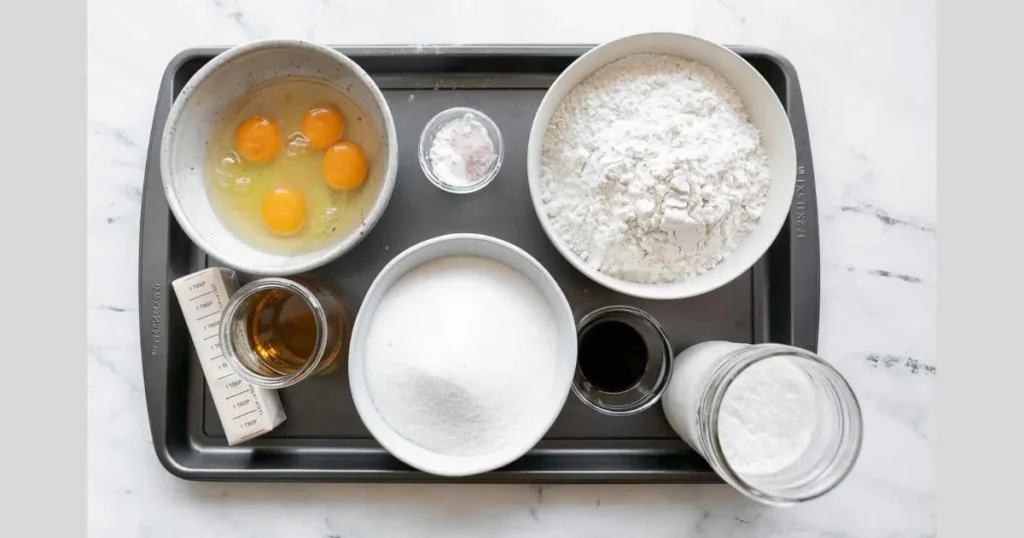
Ingredient Table
| Ingredient | Quantity | Purpose |
| Gluten-free flour blend | 2 cups | Structure base |
| Baking powder | 2 tsp | Leavening |
| Salt | 1/2 tsp | Flavor enhancer |
| Eggs | 3 large | Binding & moisture |
| Sugar | 1 cup | Sweetness & texture |
| Butter (or oil) | 1/2 cup | Richness |
| Milk (or dairy-free alternative) | 1 cup | Moisture |
| Vanilla extract | 2 tsp | Flavor core |
Why Each Ingredient Matters
When you’re baking gluten-free, every ingredient plays a critical role. You’re essentially rebuilding the structure that gluten would normally provide.
A high-quality gluten-free flour blend with xanthan gum is non-negotiable. Prepare your cake pans with parchment paper to prevent sticking.Xanthan gum works as a binding agent, replicating the elasticity that gluten normally provides.
Without it, your cake might fall apart.
Eggs are another key player. They provide structure and moisture, helping your cake stay soft instead of crumbly. Butter or oil adds richness, while milk keeps everything moist and smooth.
And don’t underestimate vanilla extract. It’s the heart of the cake’s flavor. A good-quality extract can transform your cake from average to unforgettable.
The Importance of Room Temperature Ingredients
Here’s a simple trick that makes a huge difference: use room temperature ingredients.
Cold butter doesn’t cream properly. Cold eggs don’t blend smoothly. And when ingredients don’t mix well, your cake texture suffers. Let everything sit out for about 30 minutes before baking—it’s a small step with big results.
Step-by-Step Guide to Making Gluten Free Vanilla Cake
Preparation Steps
Start by preheating your oven to 350°F (175°C). Line your cake pans with parchment paper to ensure the cake releases easily without sticking.
Next, mix your dry ingredients—flour, baking powder, and salt—in one bowl. In a separate bowl, beat the butter and sugar together until the mixture becomes light and airy.
. This step is crucial because it incorporates air into your batter, which helps create that soft texture.
Add the eggs individually, beating well after each one is incorporated. Then gradually mix in the dry ingredients, alternating with the milk.
. This keeps the batter smooth and prevents overmixing.
Finally, stir in the vanilla extract.
Baking Tips for Perfect Results
Here’s where many people go wrong: overmixing. When you overmix gluten-free batter, you destroy the air bubbles that give your cake its light texture.
Bake your cake for 25–30 minutes, or until a toothpick inserted in the center comes out clean. For extra precision, check the internal temperature—it should be around 200–205°F.
Using a kitchen scale instead of measuring cups can also improve accuracy and consistency. It might feel like a pro move, but it’s worth it.
Pro Tips for a Perfect Bakery-Style Texture
Expert Techniques You Shouldn’t Skip
If you want your cake to taste like it came from a bakery, you need to think like a baker.
Using buttermilk or yogurt adds extra moisture and a slight tang that enhances flavor. Letting your batter rest for 10–15 minutes allows the gluten-free flour to fully hydrate, improving texture.
Sifting your dry ingredients might seem old-school, but it helps create a lighter crumb by removing lumps and adding air.
Common Mistakes to Avoid
Even small mistakes can ruin your cake:
- Overbaking leads to dryness
- Incorrect flour ratios affect structure
- Skipping binding agents results in crumbling
Think of baking like building a house—if the foundation isn’t right, everything else falls apart.
Frosting & Decoration Ideas for Gluten Free Vanilla Cake
Popular Frosting Options
A great cake deserves an equally great frosting.
Classic vanilla buttercream is always a winner. It’s rich, creamy, and complements the cake perfectly. Cream cheese frosting adds a slight tang, while dairy-free whipped frosting works beautifully if you’re avoiding dairy.
Decoration Tips That Elevate Your Cake
Want your cake to look bakery-worthy? Focus on presentation.
Fresh fruits like strawberries or berries add color and freshness. Edible flowers can give your cake a stunning, elegant finish.
You can go for a simple single-layer cake or create a multi-layer masterpiece. Either way, the goal is to make it look as good as it tastes.
Variations of Gluten Free Vanilla Cake
Flavor Twists to Try
Once you master the basic recipe, you can get creative.
Add lemon zest for a refreshing twist, or mix in chocolate chips for a richer flavor. Almond extract can give your cake a subtle nutty depth that pairs beautifully with vanilla.
Dietary Variations
Need to adjust the recipe?
- Use plant-based milk for a dairy-free version
- Replace eggs with flax eggs for an egg-free option
- Reduce sugar or use alternatives for a low-sugar version
Flexibility is one of the best parts of baking at home.
Storage and Shelf Life Tips
Keeping your cake fresh is just as important as baking it right.
Store it at room temperature for up to 2–3 days in an airtight container. Refrigerate for up to 5 days if needed, but always bring it back to room temperature before serving.
For longer storage, freeze the cake for up to 2 months. Wrap it tightly to prevent freezer burn.
Nutritional Information (Approximate)
| Nutrient | Per Slice |
| Calories | 280–320 |
| Carbohydrates | 35g |
| Fat | 14g |
| Protein | 4g |
Conclusion
Baking a bakery-style gluten free vanilla cake at home isn’t just possible—it’s incredibly rewarding. Once you understand the science behind gluten-free baking and apply the right techniques, everything changes. You go from guessing to mastering, from frustration to confidence.
This isn’t just about making a cake. It’s about creating something that feels special, whether it’s for a celebration or a quiet moment with coffee. And the best part? You control every ingredient, every flavor, and every detail.
So next time you crave that soft, fluffy vanilla cake, don’t settle for store-bought. You already have everything you need to make it better.
FAQs – Gluten Free Vanilla Cake
1. Why is my gluten free vanilla cake dense?
Your cake may be dense overmixing or lack of proper binding agents. Gluten-free batters need careful handling to maintain air and structure.
2. How do I make a gluten free vanilla cake more moist?
Add ingredients like yogurt, buttermilk, or a bit more oil. These help retain moisture and improve texture.
3. Can I make this gluten free vanilla cake without eggs?
Yes, you can use flaxseed or chia seed substitutes. They act as binding agents and work well in most recipes.
4. What is the best flour for gluten free vanilla cake?
A balanced gluten-free flour blend with xanthan gum is the best choice. It provides structure and consistency.
5. How do I get a bakery-style texture in gluten free vanilla cake?
Focus on proper mixing, letting the batter rest, and using accurate measurements. These small details make a big difference.
Give these a try next!
Honey Soaked Gluten Free Almond Cake
Gluten Free Funfetti Sugar Cookies
Find Book of : Baking at République Here