
The Gluten-Free Banana Bread Recipe That Actually Tastes Like Banana Bread
I’ll be honest with you: the first time I made The Gluten-Free Banana Bread Recipe, I almost gave up on gluten-free baking altogether. It came out of the oven looking perfect, smelled amazing, and then… I cut into it and got a dense, gummy slab that tasted more like wet sand than banana bread. Sound familiar?
If you’ve ever wondered why your gluten-free bakes never quite match the soft, springy texture of “regular” banana bread, you’re not alone. The good news? After years of testing recipes in professional and home kitchens, I’ve landed on a method that’s foolproof, beginner-friendly, and — most importantly — actually delicious.
Table of Contents
Key Takeaways Before You Start Baking
- The right flour blend makes or breaks gluten-free banana bread
- Overripe bananas (the uglier, the better) are non-negotiable
- You don’t need a long list of exotic ingredients — this recipe uses just a handful of pantry staples
- A few small technique tweaks prevent the dreaded “gummy middle”
- This loaf freezes beautifully, so bake one to eat and one to save
Why Gluten-Free Banana Bread Is Tricky (And How We Fix It)
Here’s the thing about gluten: in regular baking, it’s the protein that gives bread its structure, chew, and ability to trap air. Take it away, and you’re left with a batter that has nothing to hold it together. That’s why so many gluten-free loaves either collapse, turn out dry and crumbly, or — the opposite problem — stay wet and dense in the center no matter how long you bake them. The Gluten-Free Banana Bread Recipe solves these common challenges by using the right combination of ingredients to create a loaf that’s moist, tender, and perfectly structured.
The fix isn’t complicated, but it does require the right tools. A good gluten-free flour blend (one that already contains a binder like xanthan gum, or to which you add your own) does most of the heavy lifting. Combine that with very ripe bananas, which add natural moisture and sweetness, and you’ve already solved 80% of the problem.
What You’ll Need
This recipe makes one standard 9×5-inch loaf. Here’s what’s going into the bowl:
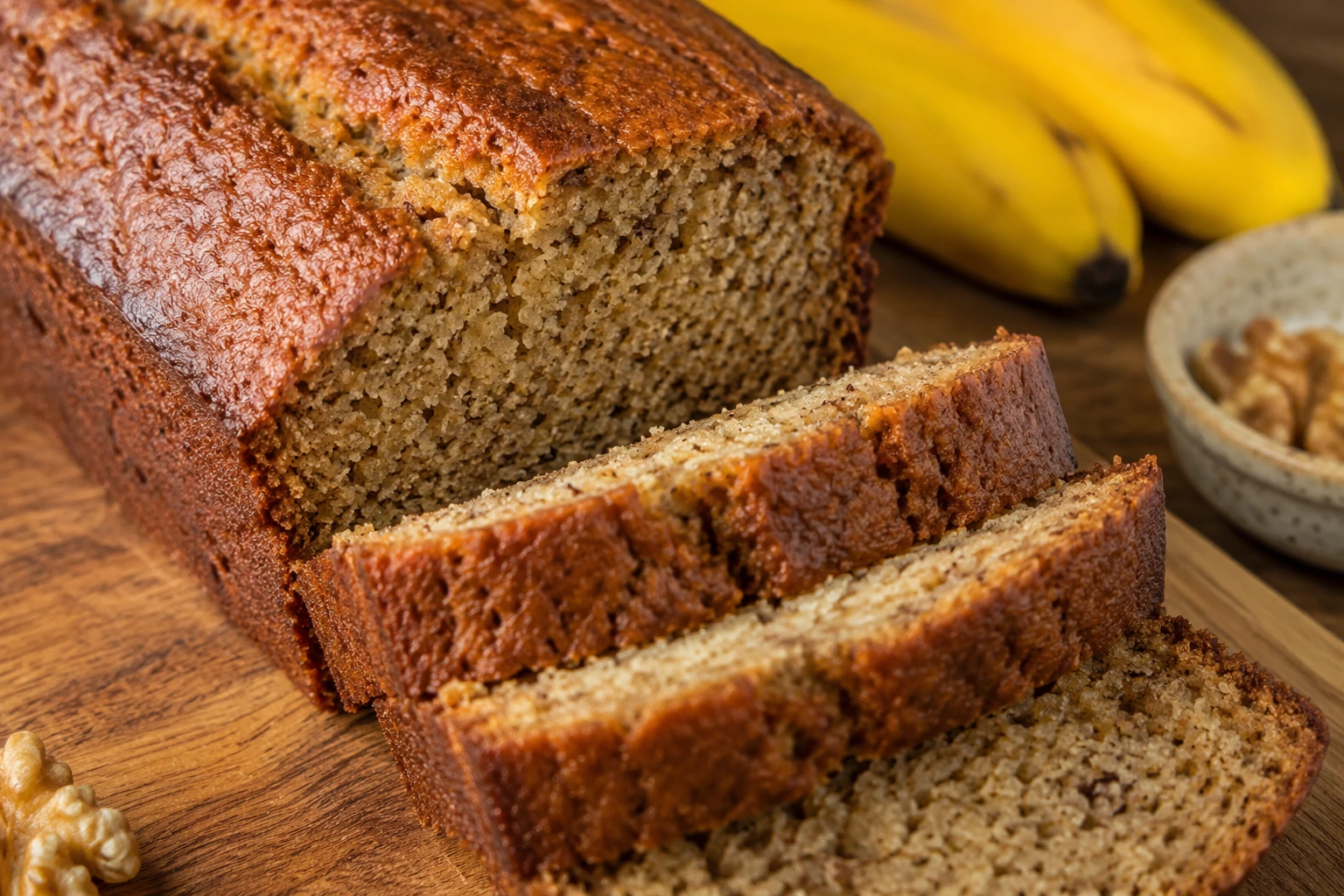
The Gluten-Free Banana Bread Recipe
Ingredients
Equipment
Notes
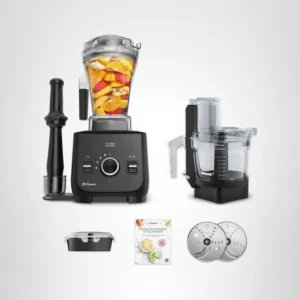 Breville Smart Oven Air Fryer Pro
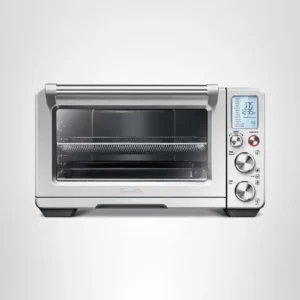 Le Creuset Stoneware Loaf Pan
 Cooling Rack by Nordic Ware
Step-by-Step: How to Make It
Preheat and prep
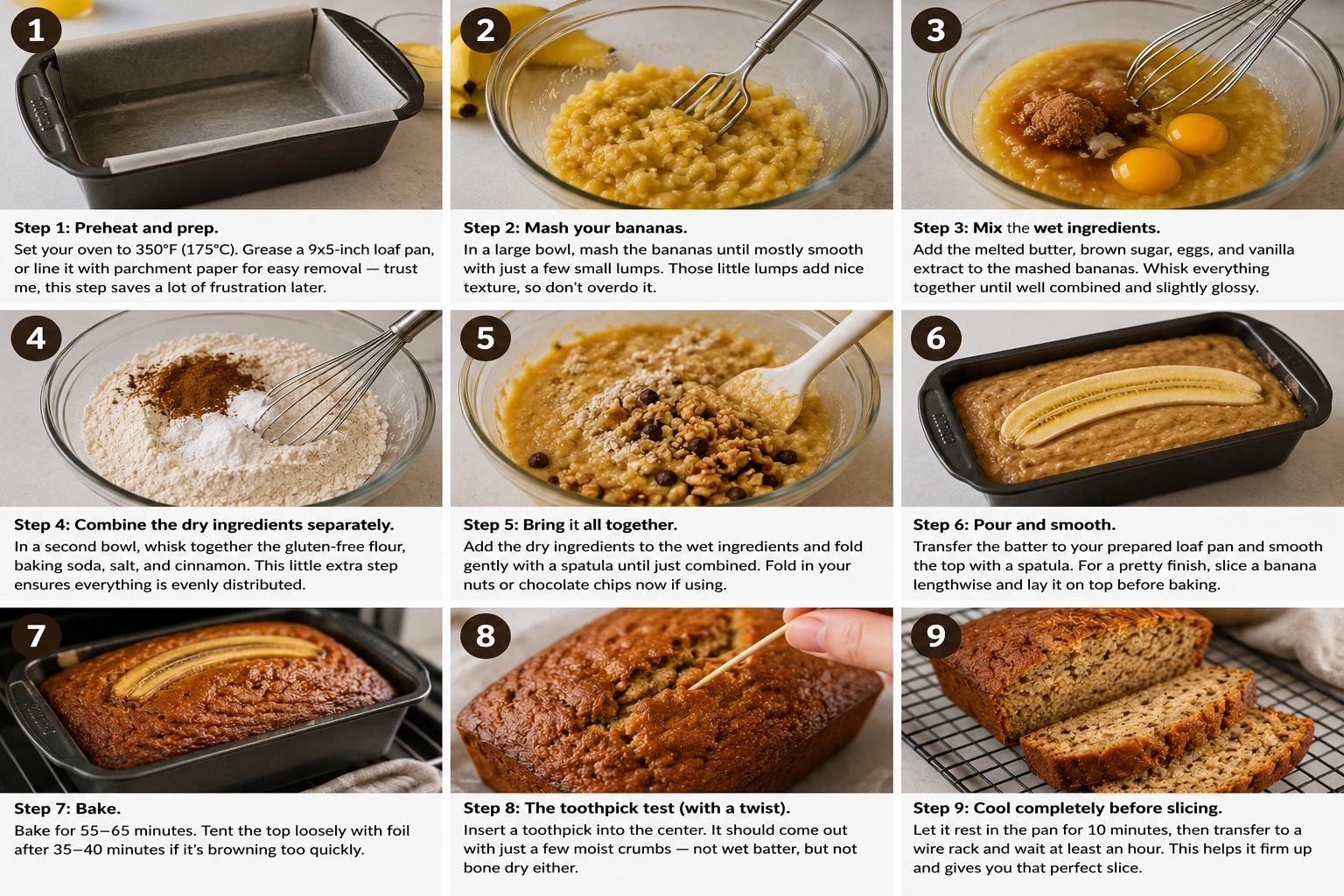
Set your oven to 350°F (175°C). Grease a 9×5-inch loaf pan, or line it with parchment paper for easy removal — trust me, this step saves a lot of frustration later.
Mash your bananas
In a large bowl, mash the bananas until mostly smooth with just a few small lumps. Those little lumps add nice texture, so don’t overdo it.
Mix the wet ingredients
Add the melted butter, brown sugar, eggs, and vanilla extract to the mashed bananas. Whisk everything together until well combined and slightly glossy.
Combine the dry ingredients separately
In a second bowl, whisk together the gluten-free flour, baking soda, salt, and cinnamon. This little extra step ensures everything is evenly distributed before it hits the wet mixture — skipping it is one of the most common reasons people end up with pockets of baking soda taste in their loaf.
Bring it all together
Add the dry ingredients to the wet ingredients and fold gently with a spatula until just combined. Here’s the thing — gluten-free batter doesn’t need to develop gluten, so there’s no risk of “overmixing” in the traditional sense, but you still want to avoid mixing so much that you knock all the air out. Fold in your nuts or chocolate chips now if using.
Pour and smooth
Transfer the batter to your prepared loaf pan and smooth the top with a spatula. If you like a pretty bakery-style finish, slice a banana lengthwise and lay it on top before baking.
Bake
Bake for 55–65 minutes. Gluten-free loaves often need a little longer than their wheat-based counterparts, so don’t panic if it’s still not done at 50 minutes. Tent the top loosely with foil after 35–40 minutes if it’s browning too quickly.
The toothpick test (with a twist)
Insert a toothpick into the center. It should come out with just a few moist crumbs — not wet batter, but not bone dry either. Gluten-free banana bread can look slightly underdone on top even when it’s perfect inside, so trust the toothpick over your eyes.
Cool completely before slicing
I know, I know — this is the hardest step. But gluten-free bakes continue to firm up as they cool, and cutting too early is the number one reason people end up with a “gummy middle.” Let it rest in the pan for 10 minutes, then transfer to a wire rack and wait at least an hour.
My Best Tips for Banana Bread Success
Over the years, I’ve picked up a few small habits that make a big difference:
- Freeze your overripe bananas. If your bananas aren’t ripe enough yet but you’re ready to bake, pop them in the freezer (skin on) overnight, then thaw before using. The texture turns soft and almost syrupy — perfect for banana bread.
- Weigh your flour if you can. Gluten-free flour blends vary a lot in density, and a kitchen scale takes the guesswork out of it.
- Don’t skip the resting time. It really does change the final texture.
- Store it right. Wrap cooled banana bread tightly and keep it at room temperature for up to 3 days, or freeze individual slices for up to 3 months.
Final Thoughts
Gluten-free baking has a reputation for being finicky, but banana bread is honestly one of the most forgiving places to start. Ripe bananas do a lot of the work for you, and once you understand the few small adjustments — the right flour, a little extra bake time, and patience while it cools — you’ll end up with a loaf that’s moist, flavorful, and doesn’t taste “gluten-free” at all.
Give this recipe a try this weekend, and let me know how it turns out in the comments. And if you’ve got your own tips or tweaks that work for you, share them below — I’d love to hear what’s working in your kitchen too!
Frequently Asked Questions
What is the best gluten-free flour to use for banana bread?
A pre-mixed all-purpose gluten-free flour blend that already contains xanthan gum is your best bet, especially if you’re just starting out. These blends are formulated to mimic the structure and binding that wheat flour normally provides, which is exactly what banana bread batter needs to hold together without becoming crumbly or gummy.
What is the trick to making good gluten-free bread?
The biggest trick is balancing moisture and binding. Gluten-free batters need enough liquid (which very ripe bananas provide naturally) along with a binder like xanthan gum to hold air bubbles and structure in place. Beyond that, giving the loaf extra baking time and letting it cool fully before slicing makes a huge difference in final texture.
What is the number one mistake made when making banana bread?
Cutting into it too soon. It’s tempting to slice a warm loaf straight from the oven, but gluten-free banana bread firms up significantly as it cools. Slicing early almost always results in that disappointing dense or gummy center, even when the bread was actually baked correctly.
What are the 4 ingredients in gluten-free banana bread?
While most full recipes (like this one) include extras for flavor and texture, a bare-bones version typically relies on just four core components: ripe bananas, gluten-free flour, eggs, and a sweetener (like sugar or honey). These four work together to provide moisture, structure, binding, and flavor — everything else is there to enhance the result.